Eastern biologists discover microbial life in scorpion venom
Findings could advance search for new antibiotics
Willimantic, CT (11/13/2026) — In recognition of Antimicrobial Resistance Awareness Week (Nov. 18-24), Eastern Connecticut State University is highlighting a research discovery that could offer new clues in the fight against one of the world's growing public health threats: antibiotic resistance.
A trio of biologists has identified previously unknown microbial communities living in scorpion venom - a substance long believed to be sterile. The discovery by Professors Barbara Murdoch and Matthew Graham, along with recent graduate Abby Heidorn '26, opens new avenues for research and potential antibiotic development.
The World Health Organization recognizes antimicrobial resistance as one of the top global threats facing humanity. The phenomenon happens when bacteria change over time and no longer respond to medicines like antibiotics.
Murdoch and Graham's study, "Microbiota Discovered in Scorpion Venom," was published in the research journal "PLOS One" in January 2026 and is the first assessment of microbial diversity conducted in scorpion venom secretions. The study was co-authored by University of Dubuque biology Professor Adam Kleinschmit and Western Connecticut State University Professor Carlos E. Santibanez-Lopez
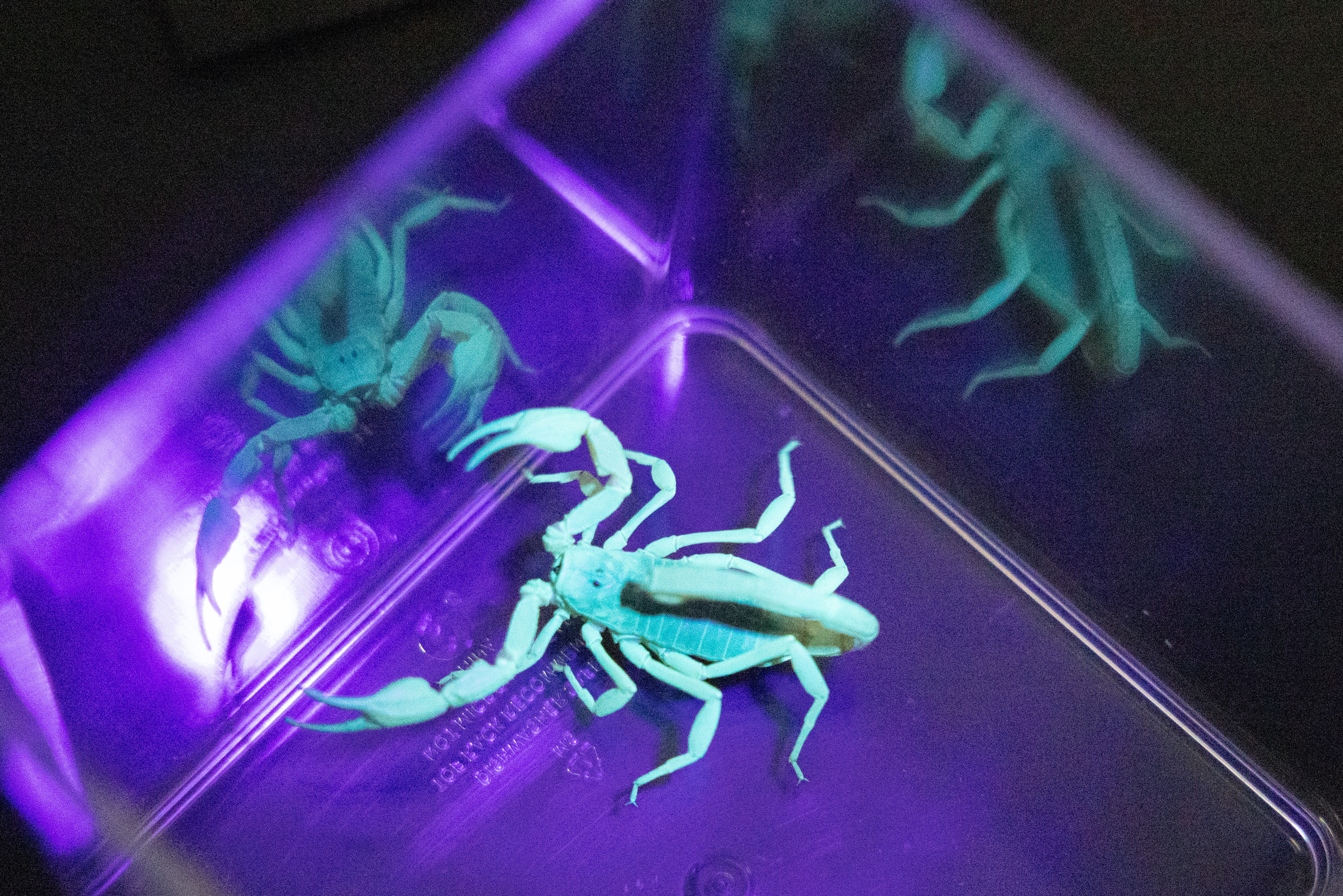
The researchers found that the venom not only contained bacterial communities, but these microbiomes also showed diversity between individuals and species, including Paruroctonus becki (Beck's Desert scorpion) and Anuroctonus phaiodactylus (California swollen-stinger scorpion).
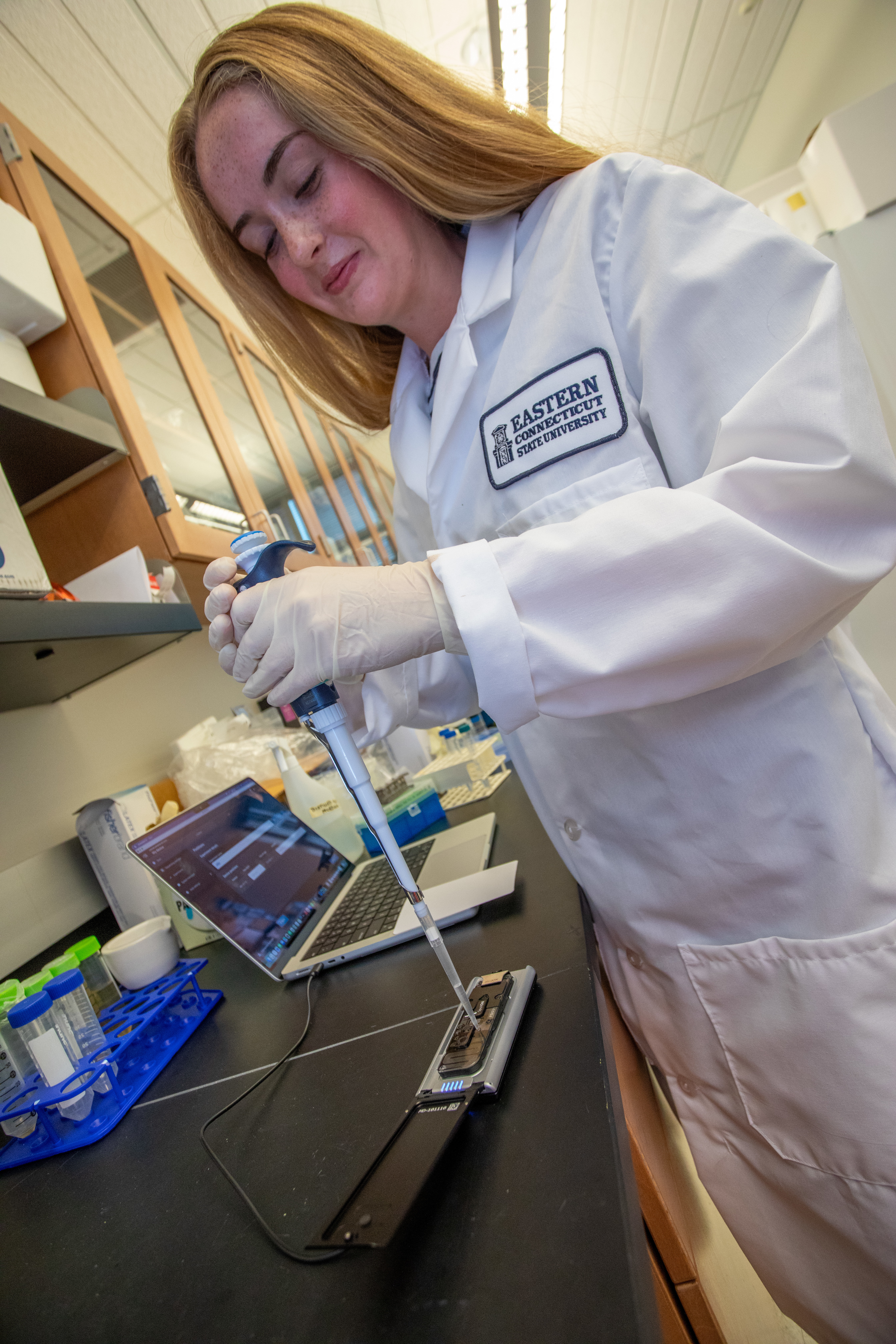
Heidorn took it a step further this past July as first author of a paper published in "Frontiers in Arachnid Science." She and her mentors, Murdoch and Graham, used a novel sequencing technique to uncover a distinctive group of bacteria (Scorpion Group 1) previously found in only one other scorpion family.
While the bacteria's role is not well understood, Heidorn said, "Our research has helped to expand the evolutionary history of SG1 and sets the foundation for future research to likely reveal additional microbial diversity in scorpion venom."
Of the two studies, Murdoch added, "Our research refutes the idea that scorpion venom is a sterile environment lacking bacteria. ... They corroborate the discovery of microorganisms in the venom of other organisms, like spiders and snakes."
"What fascinates me most is the realization that every scorpion, of the nearly 3,000 species worldwide, carries a tiny globe of life in its tail," said Graham. "These findings completely change how we think about scorpion venom. It's not a sterile substance, but a living, dynamic system shaped by ecology, geography, and evolutionary processes."
The researchers noted that scorpion stings pose a significant global health concern and are often complicated by infection. The discovery of bacteria thriving in the harsh environment of scorpion venom could open the door to new antibiotic discoveries.
###
Eastern Connecticut State University is the state of Connecticut's public liberal arts university, serving upwards of 4,000 students annually on its Willimantic campus. A residential campus offering 41 majors and 68 minors, Eastern offers students a strong liberal arts foundation grounded in a variety of applied learning opportunities. Ranked among the top 15 public liberal arts universities in the United States by U.S. News & World Report in its 2026-27 Best Colleges ratings, Eastern has also been awarded 'Green Campus' status by the Princeton Review 15 years in a row. For more information, visit www.easternct.edu.
Media Attachments
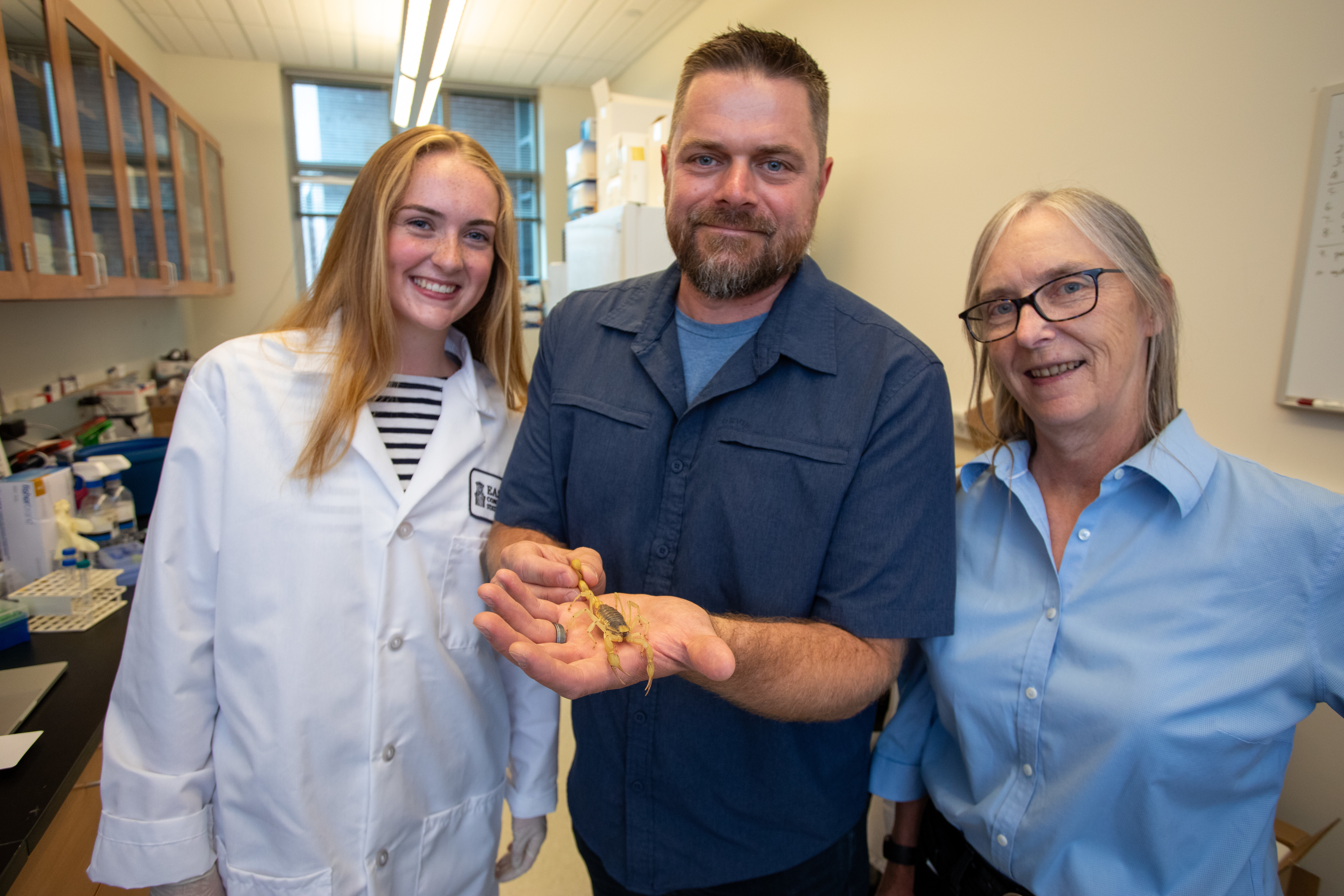
Abby Heidorn ’26 (left) and Professors Matthew Graham (middle) and Barbara Murdoch (right)
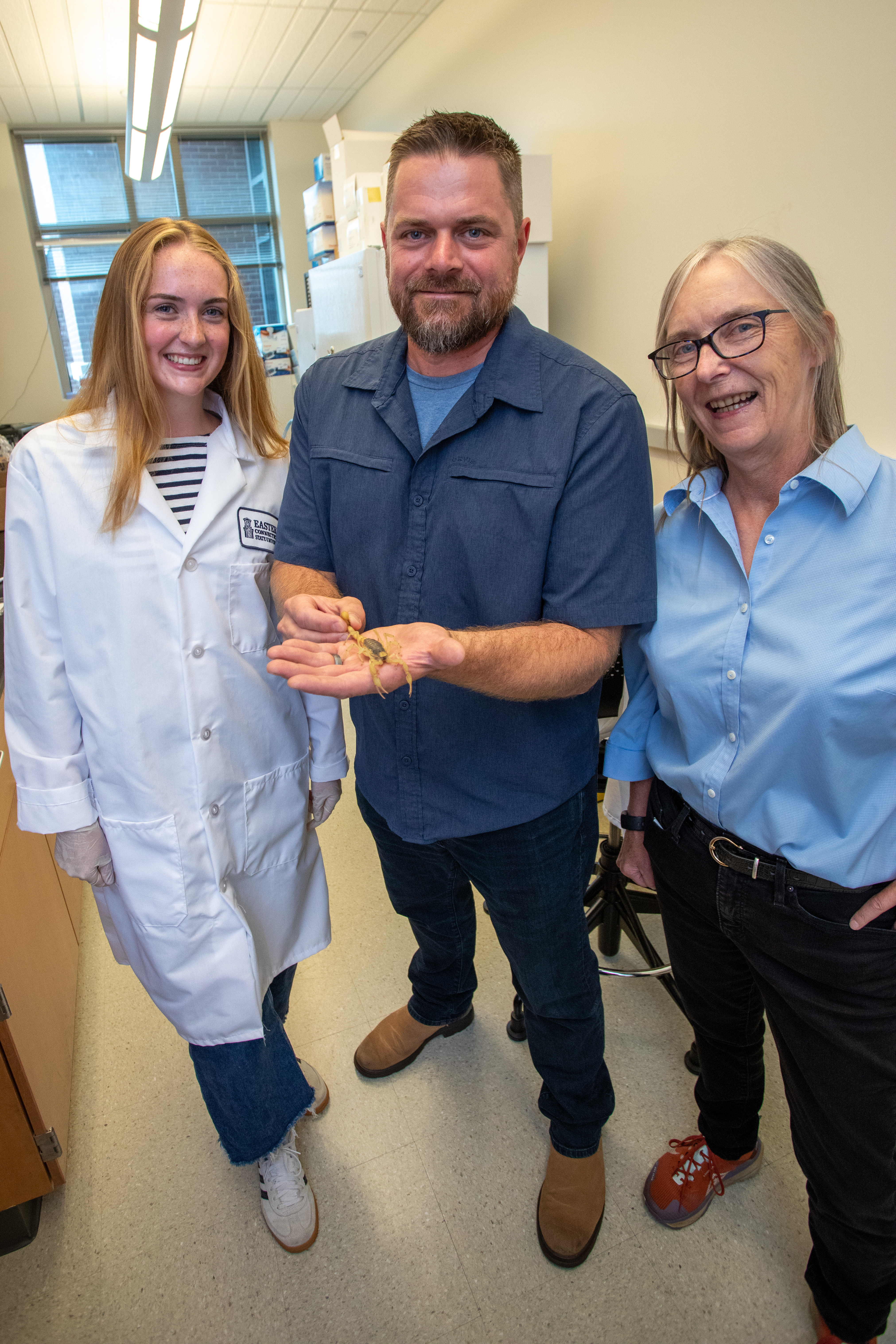
Abby Heidorn ’26 (left) and Professors Matthew Graham (middle) and Barbara Murdoch (right)