Eastern launches novel simulation for social work and theatre students
Training uses 'standardized patients' to simulate clinical scenarios
Willimantic, CT (04/21/2026) — An unusual partnership at Eastern Connecticut State University is bringing together theatre and social work students in a novel simulation experience designed to strengthen real-world skills in both fields.
Among the first such collaborations in the region at the undergraduate level, the program pairs social work students with theatre students acting as "standardized patients" - trained performers who portray realistic client scenarios. This setup allows social work students to practice clinical interactions in a safe, controlled environment while theatre students refine their acting and improvisation skills.
During the simulations, students engage in brief clinical sessions followed by in-character feedback from the standardized patients, offering immediate insight into communication effectiveness, empathy, and rapport-building. The experience mirrors real-world clinical practice, helping students build confidence and professional competence without risk to actual clients.
Speaking to the benefits of simulation, junior social work major Brigid Sheades said, "We can mess up, we can make a mistake. We can accidentally crack a smile or say the wrong thing, and we're not putting someone's mental health at risk."
One such patient the theatre students played for the social work trainees was Eric, a germophobic college student with debilitating anxiety who withdrew from school following the Covid-19 pandemic.
"For theatre and performing arts students, these simulations provide applied acting opportunities that refine improvisation, emotional authenticity, and character consistency," said theatre Professor Alycia Bright-Holland.
According to social work Professor Eunice Matthews-Armstead, standardized patients help create a more realistic environment by fostering authentic patient interactions that require clinical reasoning and patient-centered problem solving.
The faculty say the interpersonal dynamic is one of the most valuable parts of the collaboration. "College students today are coming in less interpersonally and emotionally equipped than, say, 15 years ago," said Matthews-Armsted, pointing to the proliferation of social media and digital communication.
"Lack of communication is the number one cause of medical errors," added Simulation Coordinator Lauren Lary of the Department of Health Sciences and Nursing, which plans to offer nursing simulations with standardized patients in the 2026-27 academic year.
The program also reflects broader workforce trends, as demand for standardized patients (SPs) continues to rise in healthcare and training environments. "Many of our students and alumni find gainful employment as SPs, or at least gig employment, between auditions and staying active in (traditional) theatre," said Bright-Holland.
The collaboration is hosted in Eastern's nursing simulation lab at Windham Hospital - formally named the Eastern/Hartford HealthCare Center for Education, Simulation, and Innovation (CESI).
###
Eastern Connecticut State University is the state of Connecticut's public liberal arts university, serving upwards of 4,000 students annually on its Willimantic campus. A residential campus offering 41 majors and 68 minors, Eastern offers students a strong liberal arts foundation grounded in a variety of applied learning opportunities. Ranked among the top 25 public institutions in the North by U.S. News & World Report in its 2025-26 Best Colleges ratings, Eastern has also been awarded 'Green Campus' status by the Princeton Review 15 years in a row. For more information, visit www.easternct.edu.
Media Attachments
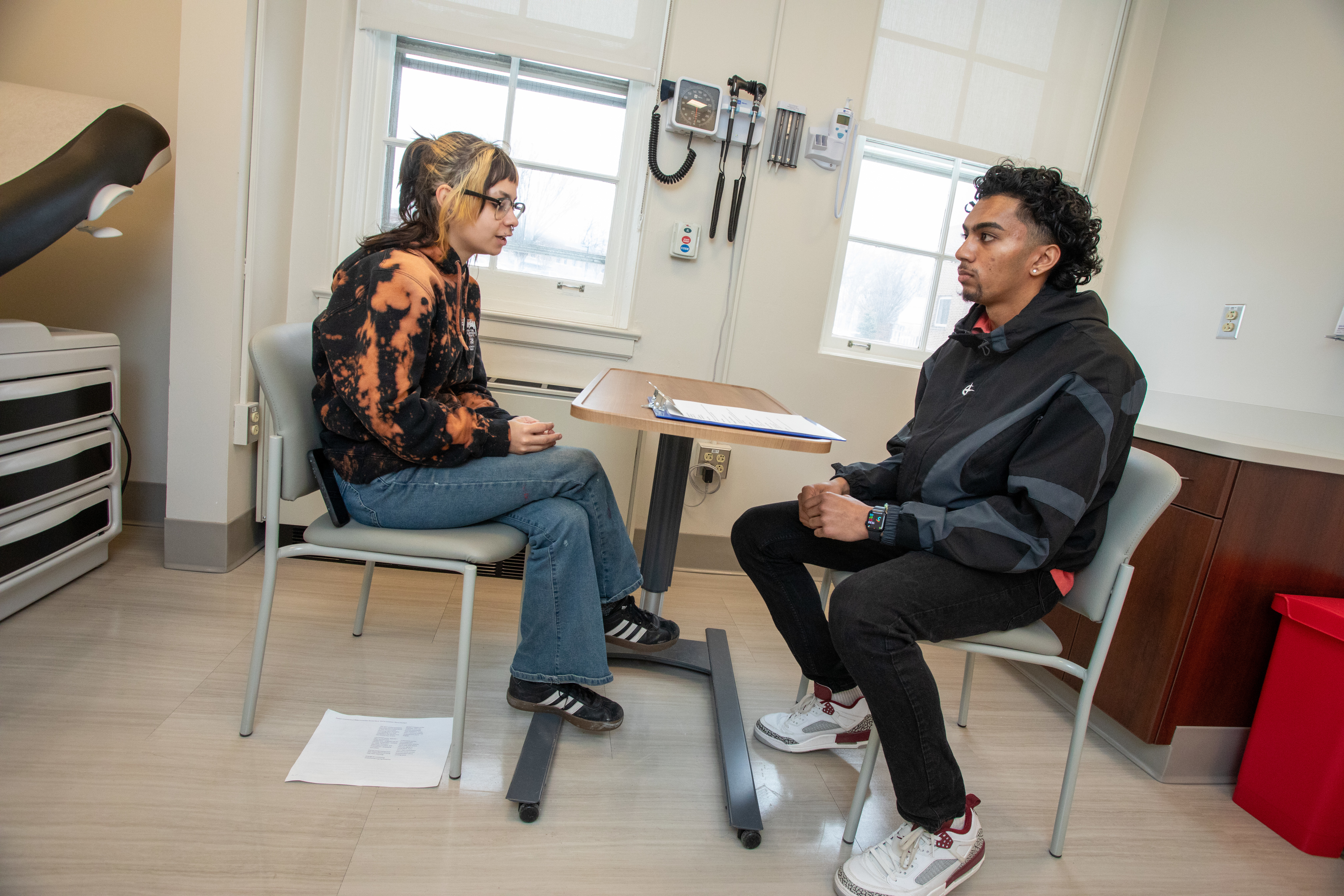
Student Q Asberry serves as a standardized patient for social work major Dustin Sannasi in a clinical simulation.
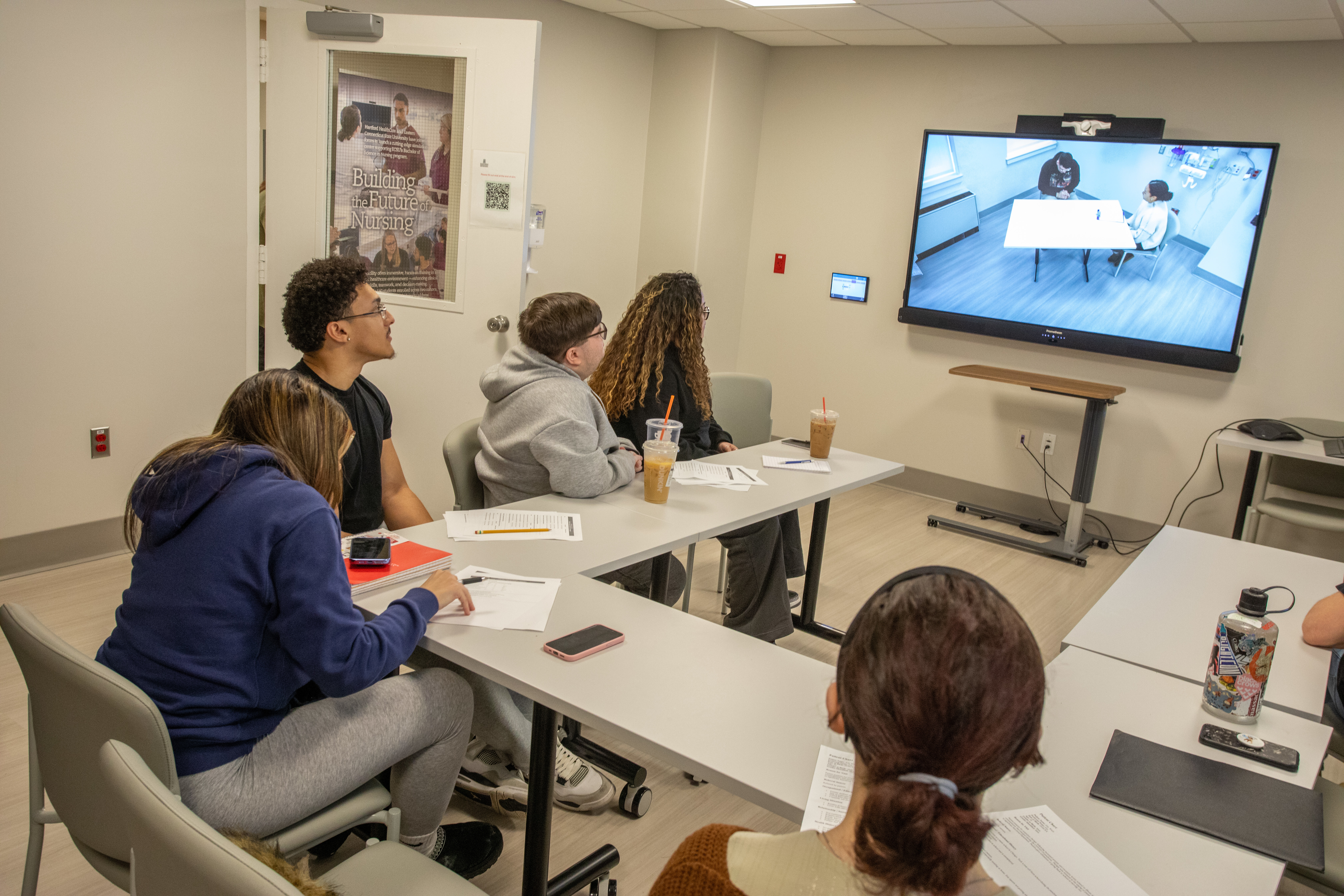
Social work students observe a live recording of their classmate's clinical simulation.
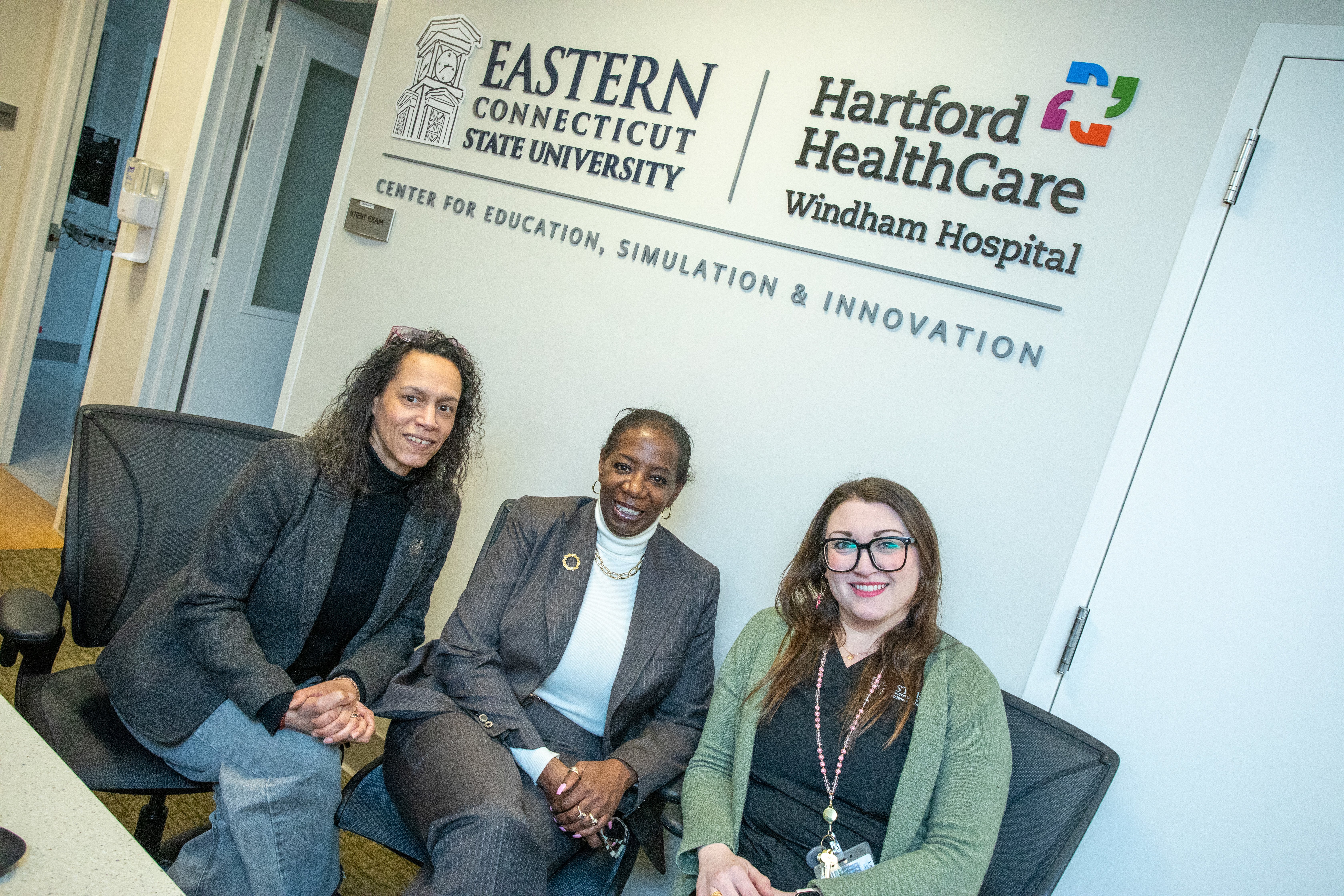
Program faculty, from left: Theatre Professor Alycia Bright-Holland, social work Professor Eunice Matthews-Armstead, and health sciences and nursing Simulation Coordinator Lauren Lary
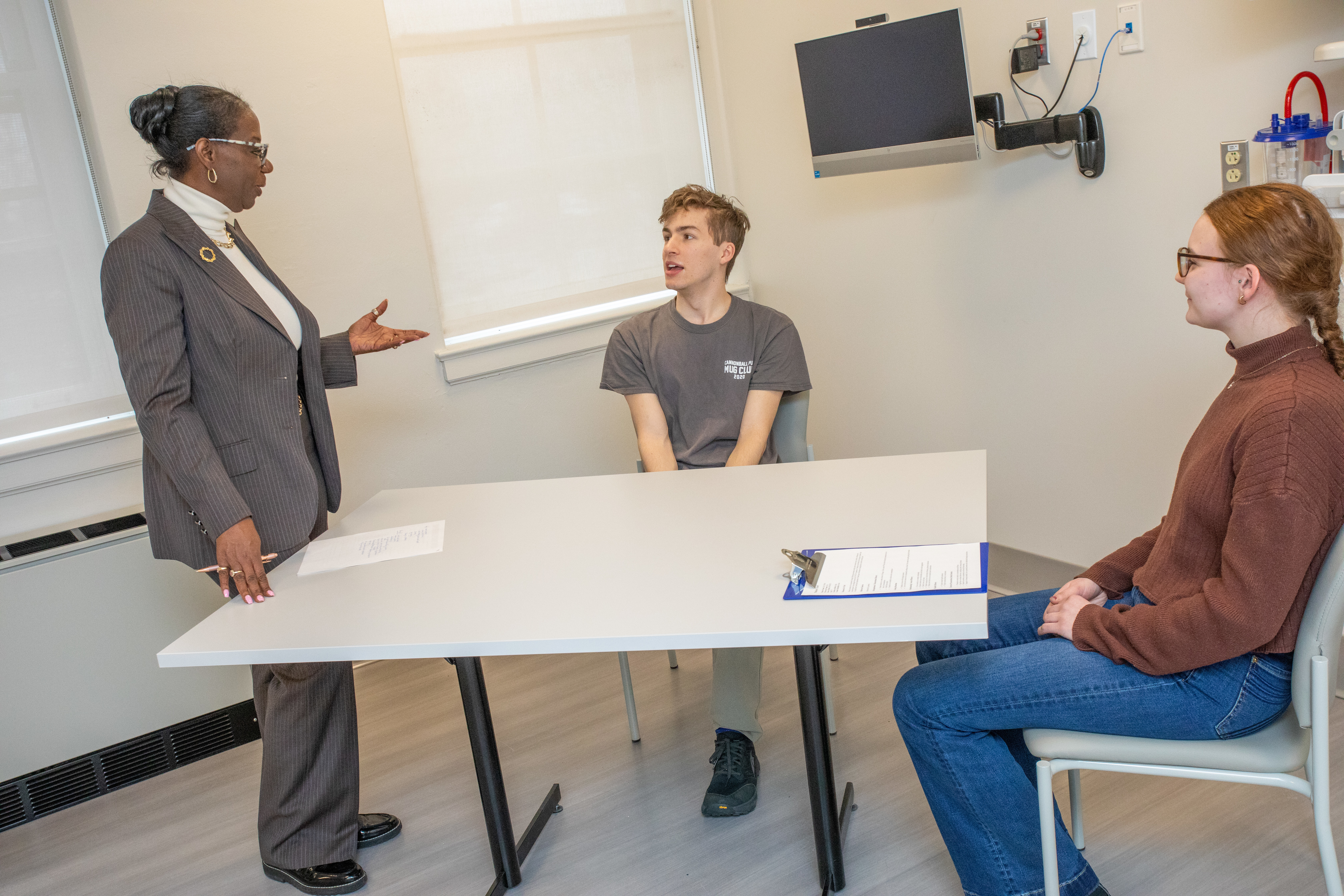
Social work Professor Eunice Matthews-Armstead provides feedback following a simulation with acting Lucas Poole and social work student Brigid Sheades.